
Revealed
The best areas in the UK to relocate
While social distancing and lockdowns may be a thing of the past, the ripple effects of the pandemic are ongoing. We’ve seen this on Broadband Genie too: Since March 2020 people have been beefing up their home broadband connections, as working from home has become the norm for many.
In 2020, the Office for National Statistics revealed that 5,470 people left London to move to areas such as Torquay and Plymouth. A change in working habits suggests this will be a permanent change: In the same year, the number of UK citizens in full-time remote work topped 1 million for the first time – up from 950,000 in 2019.
How we found the best area to relocate to
Those looking to move away will have more than just remote working opportunities to consider. Connectivity, both in terms of broadband speeds and transport networks, plays a major role – as does the general quality of life.
To calculate the most desirable places in the UK to relocate, we measured a variety of factors:
- Average broadband speed
- Affordability of housing
- House price growth
- Availability of green spaces
- Distance to the sea
- Connectivity to other areas
- Ofsted school rankings
- Crime rates
Why are Britons thinking about relocating?
Economic conditions, work/life balance and a healthy lifestyle all contributed to a shift in demographics throughout the pandemic. Today, the doors remain open for these new opportunities, particularly as house prices stabilise following the stamp duty holiday.
Our report revealed some eye-opening results.
Cheadle Hulme is the best place in the UK to relocate
Despite an obvious North/South divide, the rankings revealed that Stockport is one of the most sought-after local authorities for movers, with all eyes on Cheadle Hulme. The area sits squarely in the middle for the affordability of housing, ranking at 154 out of 330 regions. Numbers were calculated based on the average income per head against the average house price in the area. Likewise, it ranks fairly average on the broadband scale – coming in at position 103.
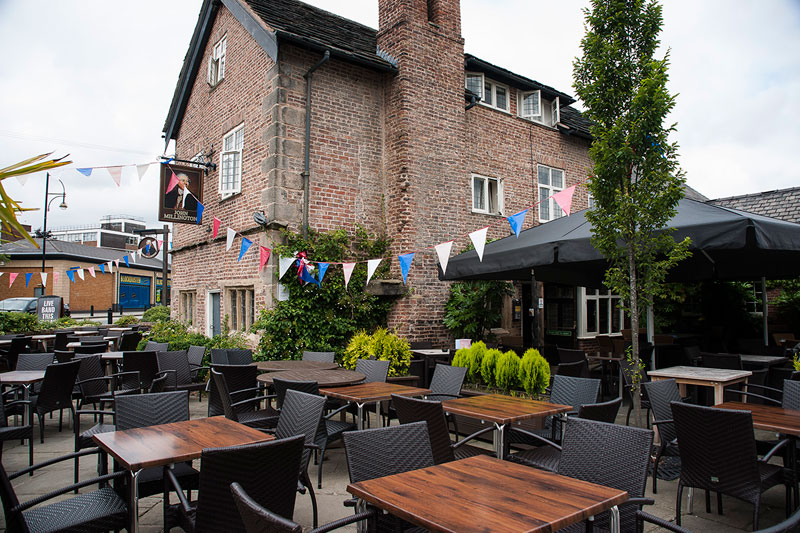
Credit: https://www.thejohnmillington.co.uk/gallery/
Fareham ranked second best place to relocate
Down the other end of the country, the South Coast’s Fareham earned a commendable second place – setting a trend for Southern areas including Eastleigh and Winchester. Fareham fared well for its high affluence and low crime rates at 63 in every 1,000.
But the Northwest wasn’t going to go down without a fight – and areas such as Warrington’s Grappenhall were voted as the 7th most desirable place to live. High broadband speeds of 128Mb make this area ideal for remote workers, gamers and streamers.
Following the Northwest trend, Trafford ranked in 8th place, with low crime rates of just 4 in 1,000 people and 36.7% ‘outstanding’ ratings in Ofsted reports.
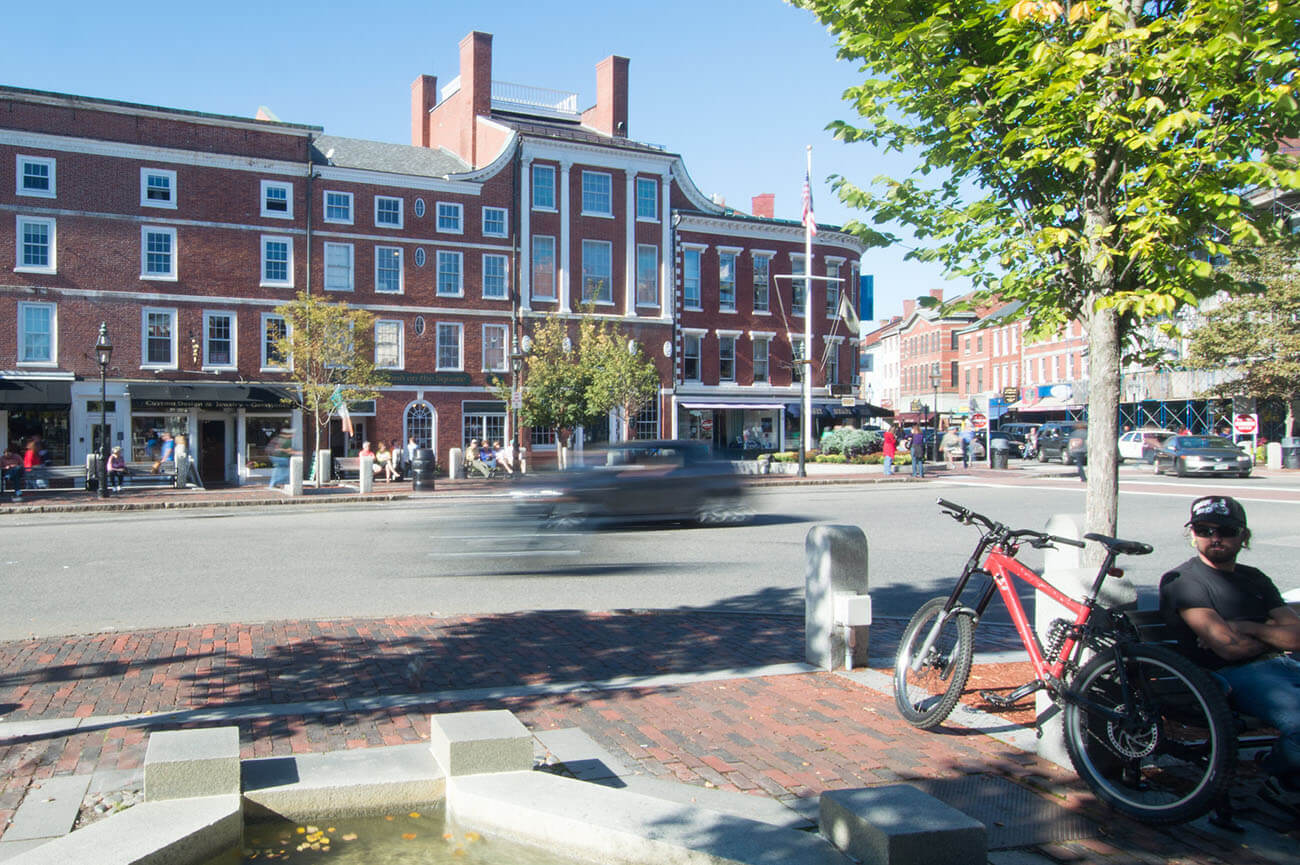
Credit: Flickr
Working from home? Southampton is the UK’s best city for broadband speeds
Of course, we had to start with broadband: In September 2021, Ofcom named connection speed as one of the crucial factors for optimal home working conditions. Those looking for faultless Wi-Fi should head south to Southampton, where the average download speed is a very respectable 166.68Mb.
Stockton-on-Tees, known for its relative affordability, comes in a very close second at 166.36Mb. Save for Newham in third place, London is notably absent from the top spots – and doesn’t begin to rank again until position 13 in Southwark, with speeds of 152.54Mb.
Unsurprisingly, the lowest broadband speeds in Britain are off the mainland, with the Isles of Scilly taking bottom place at 24.54Mb download speeds, and 6.56Mb uploads.
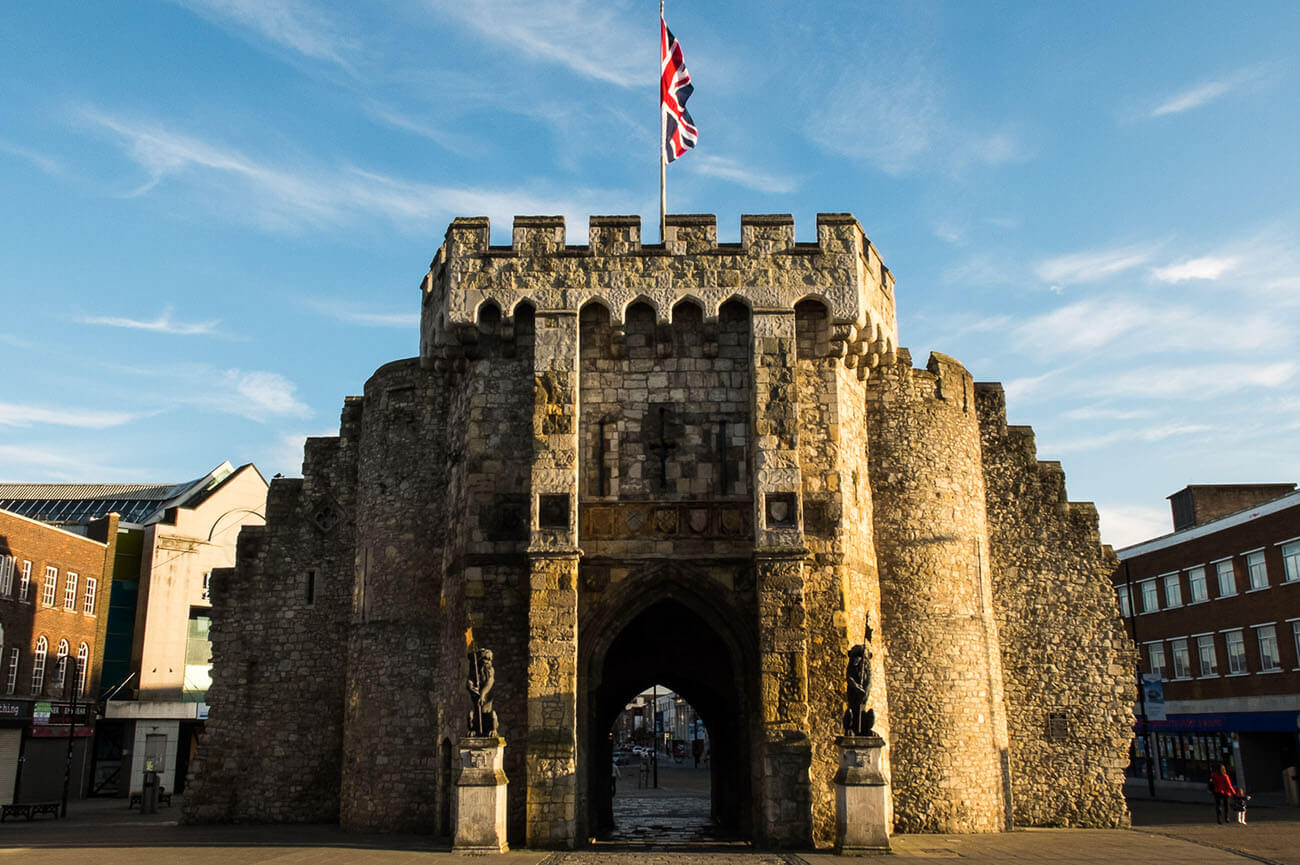
Credit: Flickr
The UK’s top 10 fastest areas for broadband (download speeds)
- Southampton: 166.68 Mb
- Stockton-on-Tees: 166.36 Mb
- Newham: 157.8 Mb
- Coventry: 157.65 Mb
- Peterborough: 157.51 Mb
- Barking and Dagenham: 156.6 Mb
- Middlesbrough: 155.67 Mb
- Swindon: 155.38 Mb
- Slough: 155.33 Mb
- Nottingham: 154.74 Mb
Nice little earner: pitch up in Pendle for high growth property prices
Those looking to move for an investment opportunity should head to Pendle, Lancashire, where property prices have gone from a 4% yearly drop to a 23.8% increase. Other areas of high growth include Blaenau Gwent in Wales, which has grown by 29.57% in the last three years.
If money’s no object, Kensington and Chelsea top the polls with an average sale price of £1.4 million, closely followed by other London boroughs including Camden and Richmond upon Thames. On the other end of the scale, growth area Blaenau Gwent will set you back just £104,454 for the average house – closely followed by Burnley at £109,680.
Not keen to stand still? Here’s another reason why many are moving out of London. Southwark saw one of the lowest rates of house price growth, at -3.84% over 3 years.
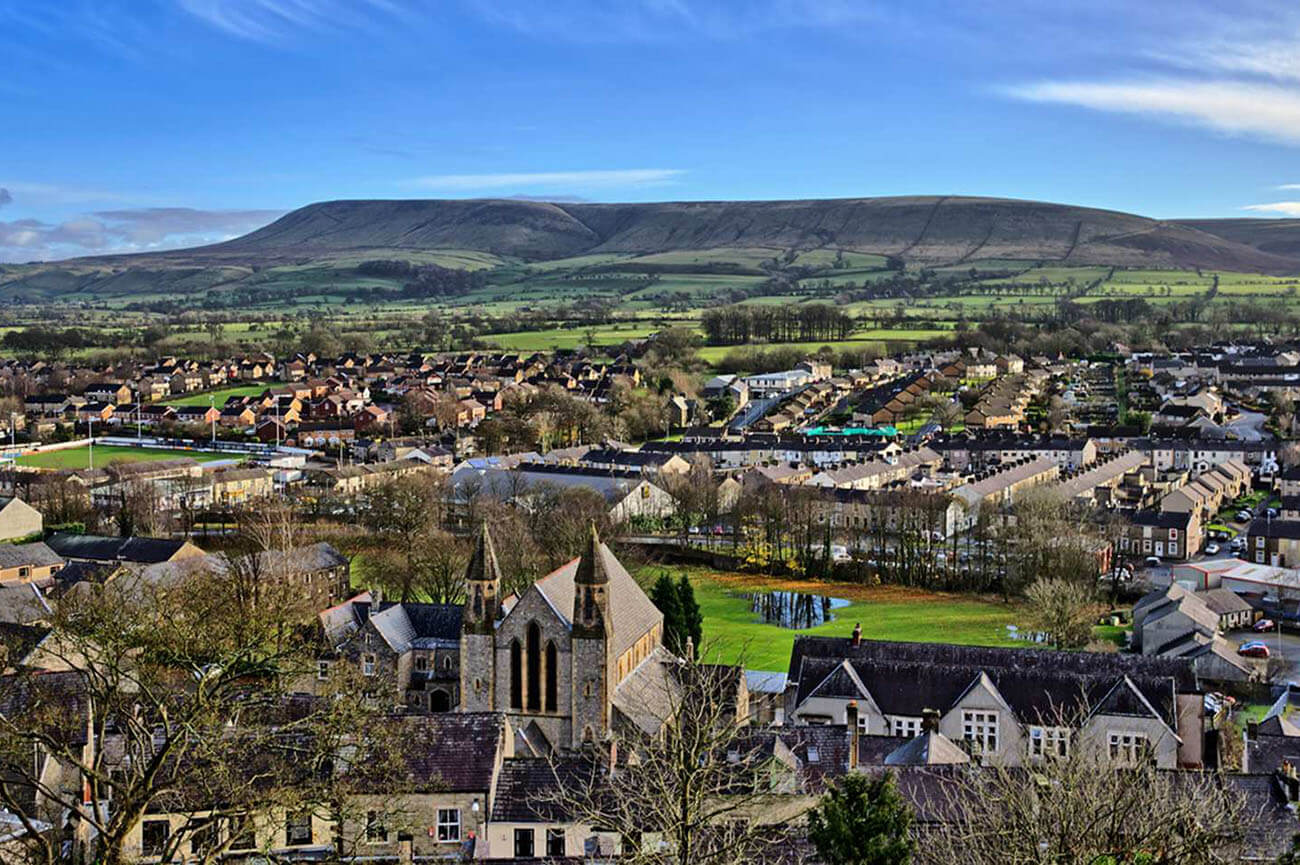
Credit: https://kgv.ac.uk/
The highest-rising housing prices in the UK (3 years)
- Blaenau Gwent: 29.6%
- Merthyr Tydfil: 29%
- Oldham: 28.3%
- Carmarthenshire: 26.8%
- Rhondda Cynon Taf: 26.2%
- Salford: 26.1%
- Gwynedd: 25.9%
- Hastings: 25%
- Trafford: 24.9%
- Isle of Anglesey: 24.9%
Head north to get more bang for your buck
Putting the Northeast on the map once again, Middlesbrough ranks top as the most affordable place to live in Britain. Our figures ranked the average annual salary against the cost of a house in the region.
While individual incomes are modest in Middlesbrough at £17,096 per year, house prices reflect this, at £113,879. Even better news if you’re working from home: Middlesbrough ranks 8th for broadband speeds at 155.67 megabits per second.
Outside of London, the Southeast borough of Elmbridge will cost you a pretty penny, ranking at 328 for relative affordability.
Most affordable housing in the UK
- Middlesbrough (average household income £31,038, average house price £113,879)
- Kingston upon Hull (average household income £32,318, average house price £118,374)
- Hyndburn (average household income £35,049, average house price £118,174)
- Blackpool (average household income £30,999, average house price £119,418)
- Burnley (average household income £34,963, average house price £109,680)
- Blaenau Gwent (average household income £27,241, average house price £104,454)
- Sunderland (average household income £32,801, average house price £130,125)
- Hartlepool (average household income £31,523, average house price £125,141)
- Stoke-on-Trent (average household income £34,505, average house price £129,382)
- County Durham (average household income £34,966, average house price £129,382)
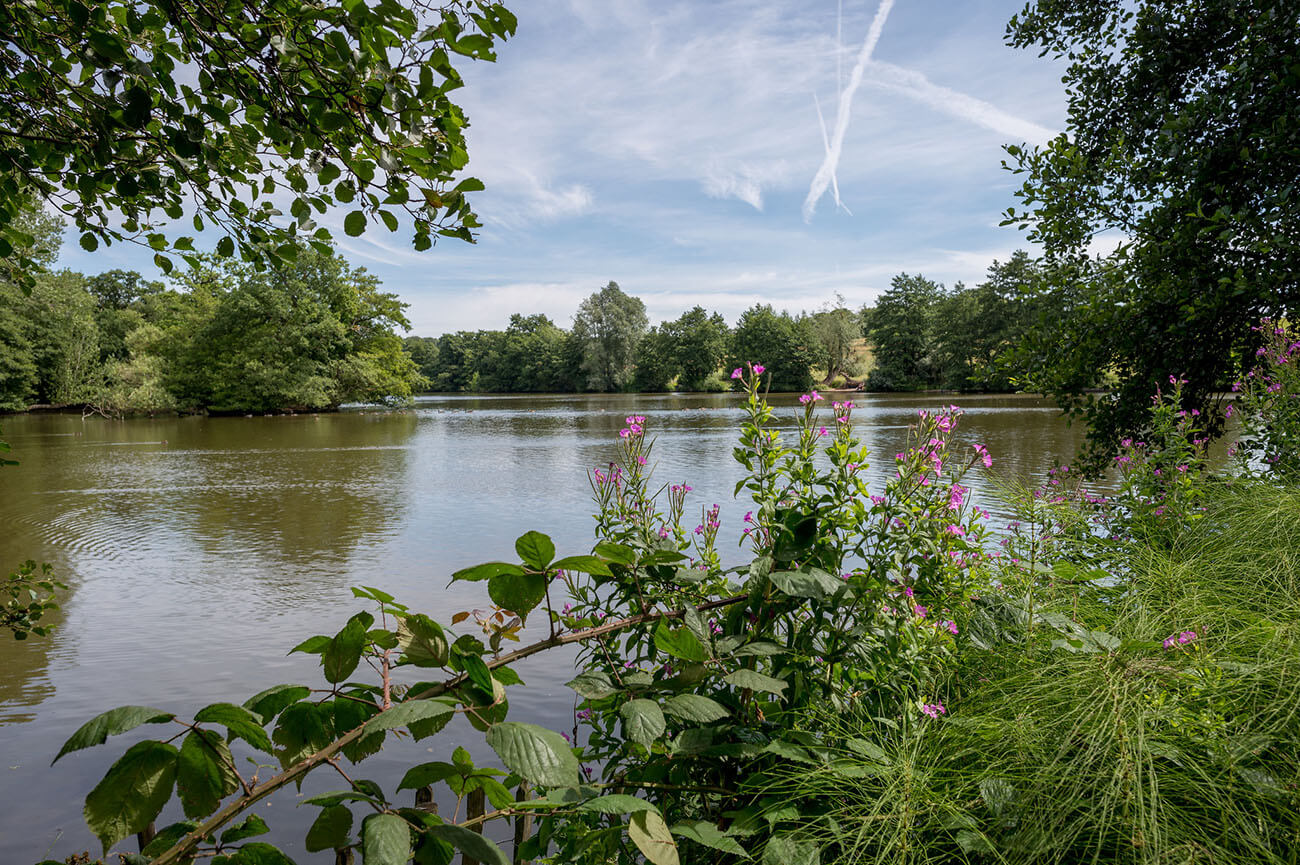
You’ll find one of England’s greenest spaces not too far from London…
Based on an index of square footage of green space per 1,000 people, Brentwood comes first with a score of 605 sq ft of green space per 1000 people. The Essex town is just 30 miles from the City of London, which ranks bottom with just 9. Another excuse to get away from the Smoke.
Of course, if you’re after a different kind of nature, the Outer Hebrides scores top for its proximity to the sea. Na h-Eileanan Siar ranks at #1, while inland areas close to the sea start from Sefton in Liverpool, with Hull and Belfast both making the list.
Credit: Flickr
Largest areas of green space in the UK
- Brentwood: 605
- Surrey Heath: 476
- Sevenoaks: 469
- East Hampshire: 457
- Test Valley: 420
- Epping Forest: 380
- Mole Valley: 373
- Waverley: 368
- Woking: 357
- Guildford: 357
Glasgow is the UK’s best-connected city outside of London
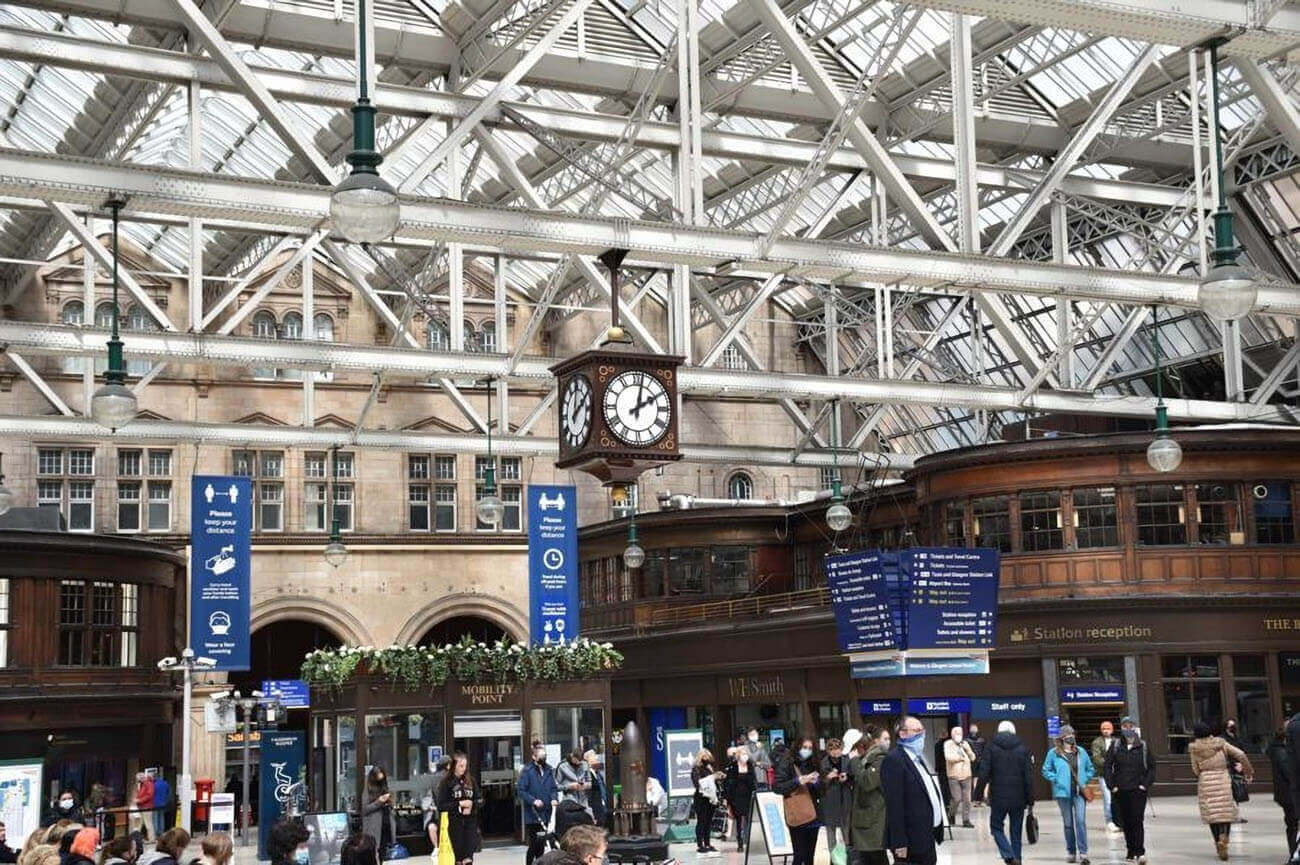
Remote working may be the norm, but there’s still cause to visit the office occasionally, or travel for leisure. Naturally, London’s vast TFL network dominates the top 22 places for proximity to train stations. But position 23 could not be farther from the Capital – it’s Glasgow.
With an average distance of 0.74 miles from a rail network, Glasgow is served by an incredible 186 train stations. The city is even served by not one but two airports.
Credit: https://www.networkrail.co.uk/
Other well-connected cities outside of London include York, which sits exactly halfway between London and Edinburgh. Serving the east coast, York is accessible from multiple cities including Manchester, Newcastle, Peterborough, Birmingham and even Exeter.
Best connected areas outside London (average distance from a train station in miles)
- York: 0.76
- Redbridge: 0.76
- Barnet: 0.79
- Bexley: 0.79
- Epsom and Ewell: 0.85
- Exeter: 0.88
- Bromley: 0.89
- Ealing: 0.91
- Stockport: 0.93
- Reigate and Banstead: 0.99
- Surrey Heath: 1.00
- Watford: 1.00
- Spelthorne: 1.00
- Elmbridge: 1.04
- Southend-on-Sea: 1.04
- Sefton: 1.04
- Barking and Dagenham: 1.05
- Tameside: 1.07
- St. Helens: 1.09
- Portsmouth: 1.16
Birmingham is officially the UK’s best area for outstanding Ofsted rankings
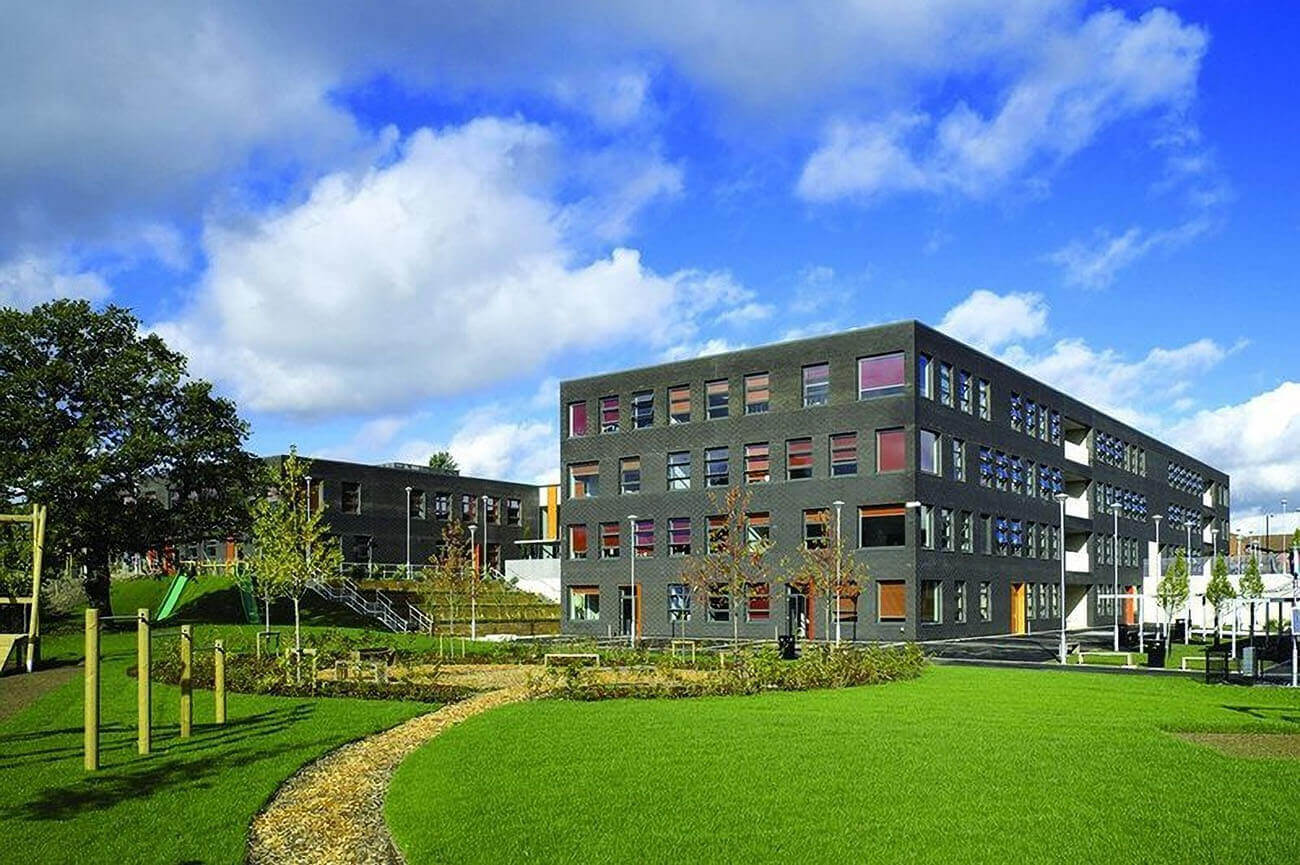
A solid education is paramount for the next generation – and Birmingham is leading the way. According to the latest Ofsted reports, the city boasts 104 schools with a score of ‘outstanding’ and a further 301 ranked as ‘good’.
Credit: https://www.ribaj.com/
Relative to affluence and growth potential in the South, the North scores extremely highly for education, with Northern cities topping the charts. County Durham ranks second for ‘outstanding’ scores at 51, and 197 ‘good’. Meanwhile, Leeds has 210 ‘good’ schools and 47 ‘outstanding’ reports. Manchester, Liverpool and Bradford also made the top 10.
As a proportion of total schools in the area, the South scores better for ‘outstanding’ reports. In Kensington and Chelsea, 58.14% of its 48 schools were given the accolade. In Richmond upon Thames, 41.79% of its 67 schools achieved the coveted rating.
More remote areas such as the Isle of Wight have some way to go – with 0 schools scoring ‘outstanding’, but 41 out of 53 ranked as ‘good’.
Largest number of schools with an ‘outstanding’ Ofsted rating
- Birmingham: 104
- County Durham: 51
- Barnet: 48
- Leeds: 47
- Manchester: 45
- Buckinghamshire: 44
- Newham: 43
- Liverpool: 41
- Bradford: 40
- Cornwall: 39
Winners and losers: where should you move to in the UK?
Cheadle Hulme might have topped the charts for our rankings, but everybody’s judgement is different. Here are the UK’s winners and losers for quality of life factors.
Average broadband speeds
- Best: Southampton, 166.68
- Worst: Isles of Scilly, 24.54
Access to green spaces
- Best: Brentwood, 605
- Worst: City of London, 9
Affordability of housing
- Best: Middlesbrough
- Worst: Kensington and Chelsea
Average house price
- Best: Blaenau Gwent, £104,454.85
- Worst: Kensington and Chelsea, £1.4 million
Crime rates (crimes per 1,000 people)
- Best: Tameside, 1.04
- Worst: Middlesbrough, 249.5
Connectivity to rail networks (excluding Outer Hebrides and Shetland Islands)
- Best: Westminster, 0.12
- Worst: Richmondshire, 18.11
House price growth (over 3 years)
- Best: Blaenau Gwent, 29.57%
- Worst: City of London, -12%
Ofsted outstanding rankings (excluding 0s)
- Best: Birmingham, 104
- Worst: Worthing, 1
To find the best broadband deals wherever you are in the UK, use Broadband Genie.
Methodology
To calculate the most desirable places in the UK to relocate, we measured a variety of factors:
- Average broadband speed: Taken from a combination of our own extensive survey data and other online sources.
- Affordability of housing: A ranking of the relationship between average income in an area to the average current house asking price.
- House price growth: A ranking of the places with the highest average house price growth in the last 3 years.
- Availability of green spaces: A ranking of the average amount of green space available per 1000 people.
- Distance to the sea: The average distance to the sea from any analysed location.
- Connectivity to other areas: A ranking of the average distance to a train station.
- Ofsted school rankings: A ranking of the percentage of schools that are rated as 'Outstanding' by Ofsted.
- Crime rates: Using Police data to derive the average crime rate of that area.
We then ranked each area for the metric measured and combined these metrics together to give an overall ranking for each area.
Data sources used in this study include:
- Broadbandgenie speed study data
- Police crime data
- Numbeo
- Income and property data
Your wish is
our command.